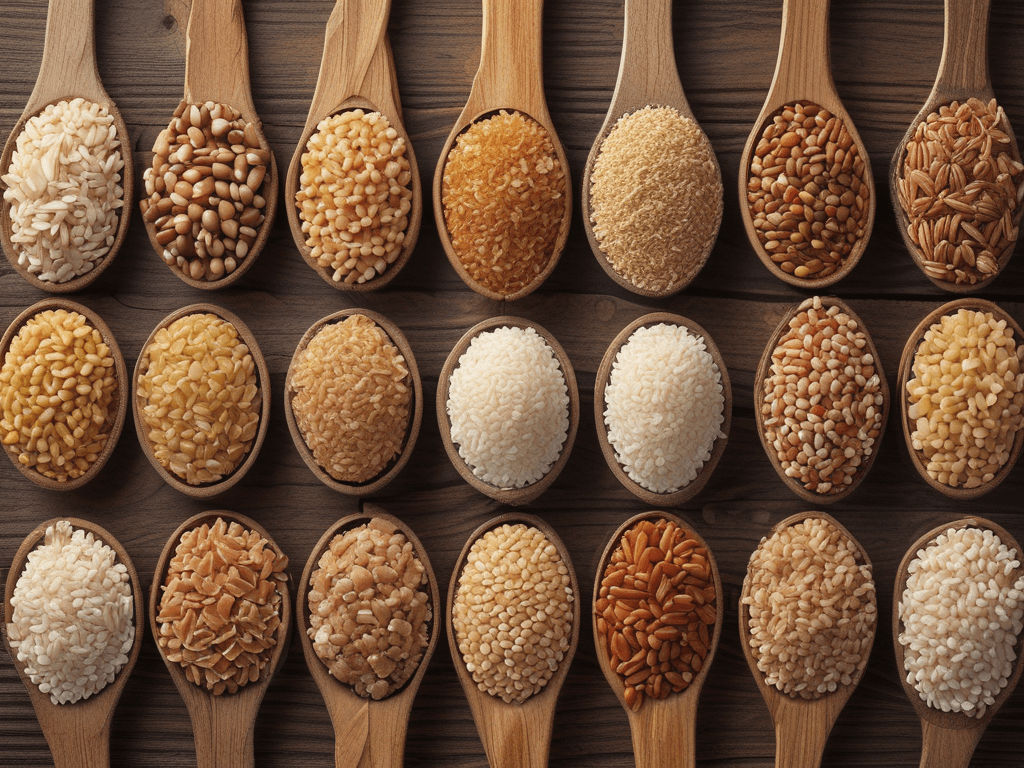
What is a whole grain? These are grains such as whole wheat, brown rice and barley that still have their fiber-rich outer shell, called the bran, and inner germ. This means they retain all of the nutrients from the plant and are not processed. Whole grains are high in fiber and can be a healthy choice when eaten in their whole form. They also provide vitamins, minerals and good fats which is why they are a staple in the Mediterranean way of eating.
Why you need whole grains? Choosing whole grain side dishes, cereals, and breads may lower the risk for heart disease, type 2 diabetes and cancer and improve digestion, too. They also make you feel full and keep you feeling full longer so that you don’t overeat or partake in useless, unhealthy snacking.
Here is a link to learn more about whole grains from a trusted source: The Mayo Clinic: Whole grains: Hearty options for a healthy diet – Mayo Clinic
Here’s a link to see an exhaustive list of edible whole grains from a trusted source: https://wholegrainscouncil.org/whole-grains-101/whole-grains-z
Here’s a link to help you understand how to make sure the ingredients are – in fact – a “whole” grain: https://wholegrainscouncil.org/whole-grains-101/identifying-whole-grain-products
Next step: Now that you know about the importance of whole grains, the wide variety of whole grains options, and how to select whole grains products, it’s time to learn how to cook them! This will open up a whole new world of amazing foods for you to try and you are sure to love many of them!


 MYMDMP: My Mediterranean Diet Meal Planning